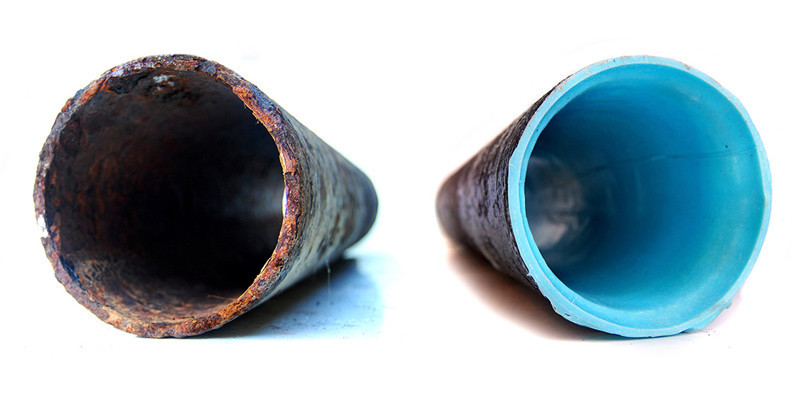
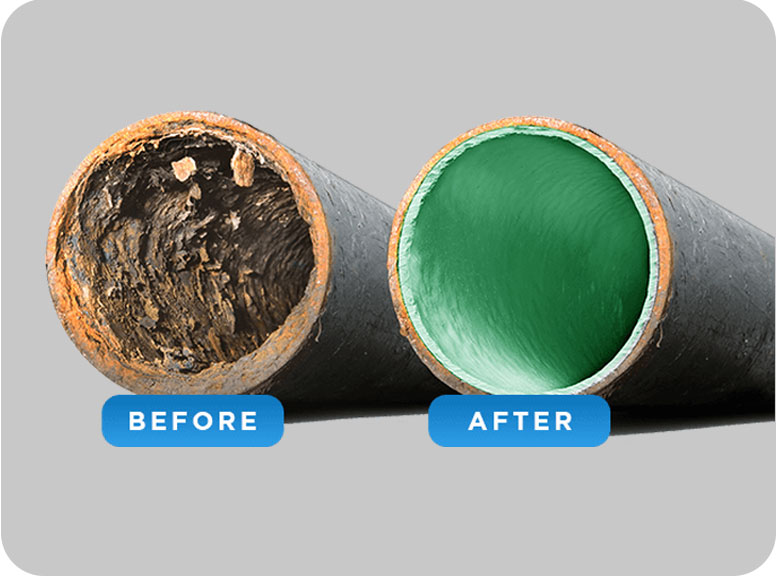
Our Cured-In-Place Pipe (CIPP) Relining service restores cracked, leaking, or degraded pipelines to better-than-new structural condition without disruptive excavation. By inserting an epoxy-resin saturated liner into the existing pipe and curing it, we form a seamless, jointless, and root-proof "pipe-within-a-pipe" that extends asset life for up to 50 years.
Trenchless CIPP relining rehabilitates broken underground mains from the inside out, saving up to 75% on total costs by eliminating paving, land, and building reinstatement.
This non-destructive rehabilitation method preserves surrounding structures, driveways, and gardens while delivering maximum flow performance and long-term structural integrity.
Our structural relining system navigates complex pipe geometry, sealing offset joints, filling structural cracks, and restoring flow efficiency across residential, commercial, and municipal pipe networks.
How Does Cured-In-Place Pipe (CIPP) Relining Work?
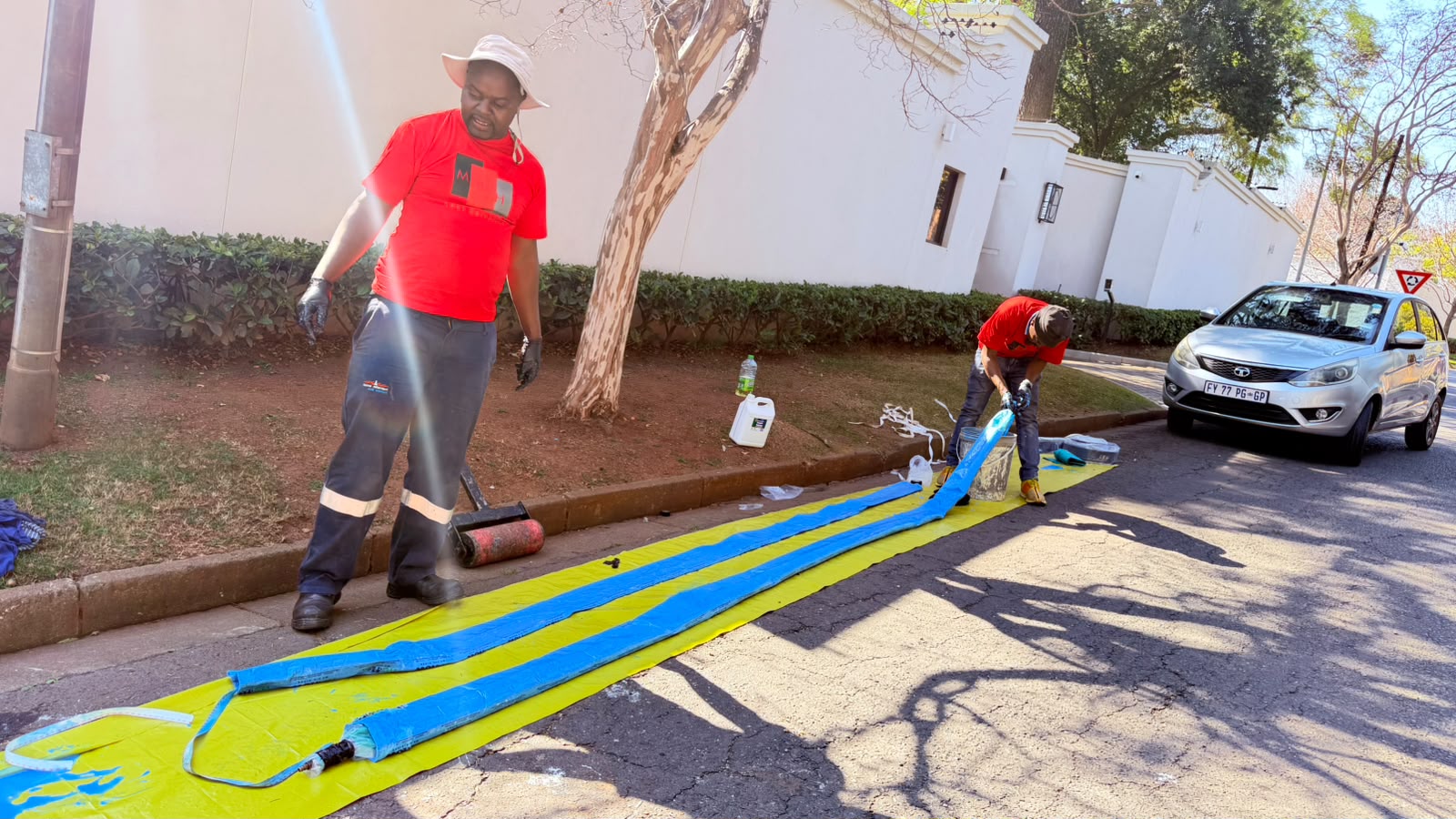
We pull or invert a flexible textile liner coated with specialized epoxy resin into the damaged pipe through existing access points. Once positioned, the liner is inflated with air or steam and cured, forming a rock-hard, continuous structural pipe inside the host line.
How Long Does Trenchless Pipe Relining Take Compared To Excavation?
While traditional dig-and-replace methods can take days or weeks of heavy construction and landscape restoration, most trenchless CIPP relining projects are completed and fully operational within a single day.
What Is The Expected Lifespan Of A Relined Pipe?
Our structural epoxy liners are engineered to withstand chemical corrosion, heavy traffic loads, and aggressive root intrusion, providing a continuous joint-free pipe system with a lifespan of up to 50 years.
Can Pipes With Bends, Cracks, Or Root Intrusion Be Relined?
Yes, CIPP liners conform seamlessly to 45° and 90° bends, bridge wide gaps, seal cracks, and permanently eliminate root intrusion points without reducing total flow capacity.